How to Calm Inflammation Caused by Stress Fast
Stress flips your body’s alarm switch, and inflammation answers like a nosy neighbor who never leaves. You feel puffy, sore, irritable, and somehow always one email away from a meltdown. Good news: you can turn down that heat without a juice cleanse or a monk’s vow of silence. Let’s walk through the science-backed ways to calm stress-fueled inflammation—and actually stick with them.
Why Stress Lights the Inflammation Fire
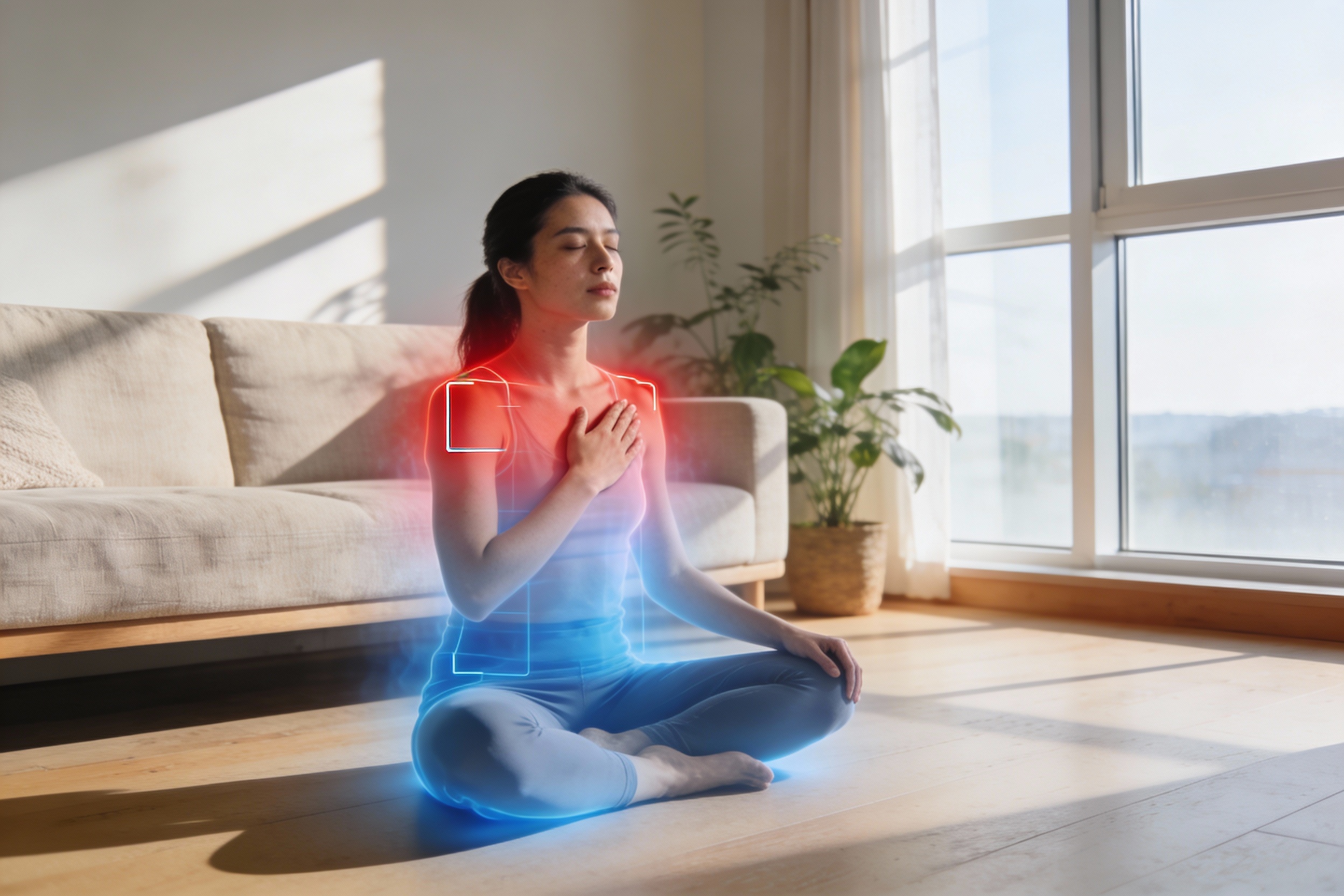
When you stress, your body releases cortisol and adrenaline. Helpful in danger, but chaos when it’s constant. That hormonal flood tells your immune system to gear up—and if stress sticks around, your immune system stays on high alert.
Chronic stress = chronic low-grade inflammation. That can look like joint aches, stomach issues, brain fog, acne flare-ups, and sleep problems. Sound familiar? Same.
The Short Version
- Cortisol spikes train your body to expect threats.
- Immune cells release pro-inflammatory cytokines.
- Sleep, diet, and movement either fan the flames or cool them. Your choice.
Calm Your Nervous System First
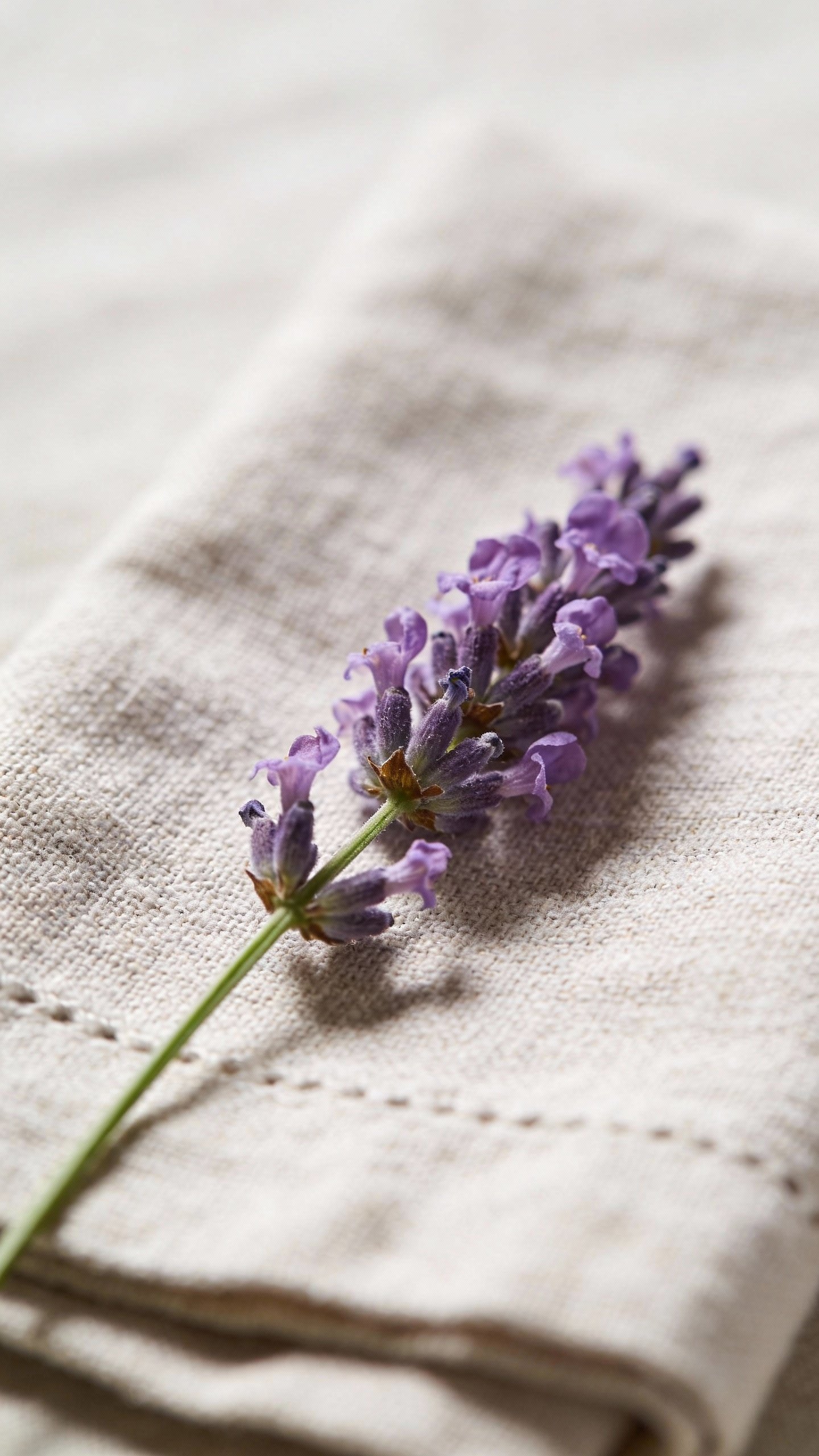
You can’t out-supplement a freaked-out nervous system. Shift your body out of fight-or-flight and inflammation follows.
Low-Tech, High-Impact Tools
- Box breathing (4-4-4-4): Inhale 4, hold 4, exhale 4, hold 4. Do 2 minutes before meetings.
- Physiological sigh: Inhale, quick top-up inhale, long exhale. Repeat 3 times. Instant chill.
- Afternoon light walk: 10–15 minutes outside calms cortisol and improves sleep later.
- Heat or cold: A warm shower at night or 30–60 seconds of cool water at the end. Pick your flavor of discomfort.
Set a “Stress Clock”
Give yourself one daily 10-minute window to actually feel stressed on purpose. Journal the worries, plan one action, and close the notebook. You train your brain to stop stress from squatting in your head rent-free.
Eat to Soothe, Not to Spike
You don’t need a perfect diet. You need a calmer blood sugar curve and more anti-inflammatory nutrients. FYI, your microbiome literally talks to your immune system—feed it well.
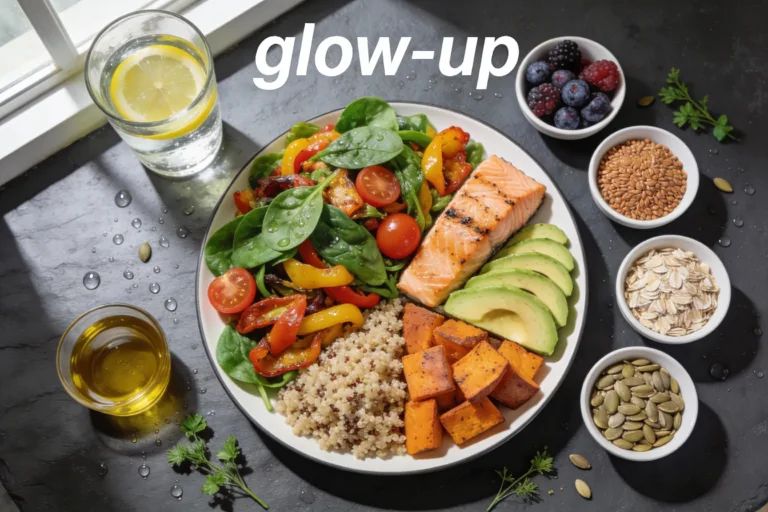
Build a Low-Inflammation Plate
- Protein first (20–30g): eggs, Greek yogurt, tofu, fish, chicken, lentils.
- Colorful plants: berries, leafy greens, peppers, broccoli. Aim for 2–3 colors per meal.
- Healthy fats: olive oil, avocado, nuts, seeds. They help lower inflammatory markers.
- Slow carbs: oats, quinoa, beans, whole fruit. Pair with protein and fat to steady blood sugar.
Foods That Quiet the Fire
- Omega-3s: Salmon, sardines, mackerel, walnuts, chia. EPA/DHA calm inflammatory pathways.
- Polyphenols: Berries, extra-virgin olive oil, green tea, cocoa. Your cells love this stuff.
- Fermented foods: Yogurt, kefir, sauerkraut, kimchi. They improve microbiome diversity.
- Spices: Turmeric (with black pepper), ginger, cinnamon, garlic. Flavor meets function.
What to Chill On (Not Demonize)
- Ultra-processed snacks and added sugars—cause inflammatory surges.
- Excess alcohol—messes with sleep and gut lining.
- “Healthy” smoothies with 60g of sugar—yeah, no.
Move, But Don’t Punish Yourself
Exercise reduces inflammation—until you overdo it and your body files a complaint. Aim for consistent, doable movement.
The Goldilocks Plan
- 3–4 days of 20–40 minutes moderate cardio (brisk walking, cycling, swimming).
- 2–3 strength sessions: full-body, 30–45 minutes. Muscle = metabolic calm.
- Daily movement snacks: 5–10 minute walks after meals to tame glucose spikes.
- Stretching or yoga 1–2 times weekly for mobility and nervous system balance.
IMO, if your workout leaves you wrecked for two days, dial it back. You’re training for life, not a gladiator match.
Sleep Like It’s Your Job
You skip sleep, your inflammatory markers go up. Your body thinks danger lurks, so it stays on edge. Let’s fix that.
Sleep Upgrades That Actually Work
- Consistent schedule: +/- 30 minutes for both bedtime and wake-up, even on weekends.
- Light management: Morning sunlight, dim lights after dinner, screens off or use blue-light filters.
- Wind-down routine: Same 15-minute ritual nightly—shower, stretch, light reading, whatever you’ll repeat.
- Room setup: Cool, dark, quiet. White noise beats neighbor’s midnight karaoke.
Support Your Gut (Where Inflammation Loves to Party)
Your gut barrier decides what gets into your bloodstream. Stress weakens it. Strengthen that barrier and your immune system stops panicking.
Simple Gut-Support Habits
- Fiber variety: Aim for 20–30 different plant foods per week. Yes, variety matters.
- Fermented add-ons: A spoon of sauerkraut or a glass of kefir daily.
- Hydration: Your gut lining needs water to function. Boring, but true.
- Chew your food: Digestion starts in your mouth; your gut appreciates the help.
Smart Supplements (Optional, Not Mandatory)
Supplements can help, but they won’t beat stress, sugar, and four hours of sleep. Use them as tools, not magic potions.
Worth Considering
- Omega-3s (EPA/DHA): 1–2g combined daily for inflammation support. Talk to your clinician if on blood thinners.
- Magnesium glycinate: 200–400mg in the evening for relaxation and sleep quality.
- Curcumin with black pepper or a bioavailable form for anti-inflammatory support.
- Ashwagandha may reduce perceived stress—avoid if pregnant or with thyroid issues unless cleared.
- Probiotics or fermented foods: Start low, go slow, and rotate strains or foods.
FYI: If you take meds or have conditions, run supplements by your healthcare provider. Adulting is wild.
Boundaries: The Unsexy Cure
You can’t heal if you keep pouring stress back in. Boundaries reduce inflammatory triggers faster than any superfood.
Practical Boundaries You’ll Actually Use
- Notification triage: Silence non-critical apps; batch-response twice daily.
- Work sprints: 50 minutes on, 10 minutes off. Stand up, breathe, water, move.
- Say “No, but…”: “No, but I can help next week” protects energy and goodwill.
- Social media cutoffs: Set a nightly curfew. Your brain stops doom-scrolling, your sleep thanks you.
Build Your Anti-Inflammation Routine
Let’s turn all this into a simple plan you won’t ghost after three days.
- Morning: 5-minute light walk outside + water + protein-rich breakfast.
- Midday: 10-minute walk after lunch; one “stress clock” session if needed.
- Afternoon: Movement session (20–40 minutes) or mobility work.
- Evening: Dim lights after dinner; magnesium + stretch; 2-minute breathing before bed.
- Weekly: Shop for omega-3s, colorful plants, fermented foods; schedule social time with someone who doesn’t drain your soul.
FAQ
How fast can I reduce inflammation from stress?
You can feel changes within days—better sleep, less bloating, calmer mood—if you nail breathing, movement, and evening light. Measurable improvements in markers like CRP take weeks. Consistency beats intensity.
Do I need to cut out all sugar and alcohol?
Nope. But keep them strategic. Enjoy them with meals, not on an empty stomach, and not every night. Your goal is fewer spikes, more balance—perfection is overrated, IMO.
What if I’m too busy to exercise?
Use movement snacks. Three 10-minute walks and a quick bodyweight circuit still move the needle. Habits hide in small windows, not 90-minute gym epics.
Are anti-inflammatory diets legit?
Mostly, yes—when they focus on whole foods, omega-3s, colorful plants, and fewer ultra-processed items. If a plan bans half the grocery store and costs your social life, hard pass.
Can therapy actually lower inflammation?
Surprisingly, yes. Stress-management therapies and mindfulness practices reduce perceived stress and can lower inflammatory markers. Mind-body isn’t woo; it’s wiring.
What lab tests should I ask about?
Ask your clinician about high-sensitivity CRP, fasting glucose/insulin, lipids, and possibly ferritin or vitamin D. They give a snapshot of inflammation and metabolic health.
Conclusion
Stress pours gasoline on inflammation, but you control the matches. Breathe on purpose, eat like you like your body, move just enough, sleep like a human, and set boundaries like a boss. Start small, stack wins, and watch your system cool down. You’ve got this—no monk robe required.